Pro Tip
Drink Water is essential for overall health and can aid in weight management. Get Adequate Sleep Also Help For Set Ideal Weight According to Height and Weight.
Ideal weight according to height and weight varies depending on factors like height, body composition, and overall health. Using tools such as BMI calculators and height-weight charts can provide a general range. However, it’s essential to consider individual differences and consult a healthcare professional for personalized guidance. Striving for a weight that promotes good health and well-being is key, focusing on maintaining a balanced diet, regular exercise, and healthy lifestyle habits. By prioritizing overall wellness rather than adhering strictly to numbers, individuals can achieve their unique ideal weight and optimize their quality of life.

Table of Contents
Tips to Maintain Ideal Weight According to Height and Weight
Maintaining your ideal weight according to height and weight is crucial for long-term health and well-being. Start by establishing a balanced diet rich in whole foods like fruits, vegetables, lean proteins, and whole grains. Incorporating regular physical activity into your routine, such as cardio, strength training, and flexibility exercises, helps burn calories and build muscle mass. Stay hydrated by drinking plenty of water throughout the day to support metabolism and curb cravings. Lastly, prioritize quality sleep and manage stress levels, as inadequate rest and high stress can negatively impact weight management efforts. With these tips, you can sustain your ideal weight and enjoy a healthier lifestyle.
Calorie calculators help you to get how many calories you need, depending on your goal, like you need to Maintain Weight, Mild Weight Loss, Weight Loss, Mild Weight Gain , Weight Gain.
Adhere to a Healthy Diet
Commit to a nutritious diet filled with fruits, vegetables, lean proteins, and whole grains. Prioritize portion control and avoid processed foods to maintain a healthy weight and optimize overall well-being.

Embrace Active Habits
Incorporate regular physical activity into your daily routine to embrace an active lifestyle. Whether it’s walking, jogging, or joining a fitness class, staying active is essential for maintaining optimal health.

Adequate Rest
Ensure you get enough rest each night to rejuvenate your body and mind. Aim for 7-9 hours of quality sleep to support overall well-being, improve cognitive function, and regulate mood.

Reduce Stress
Manage Stress effectively by incorporating relaxation techniques such as Deep Breathing, Meditation, or Yoga into your daily routine. Prioritize Self-care Activities and seek support from friends, family, or professionals when needed.

Determining your Body Mass Index
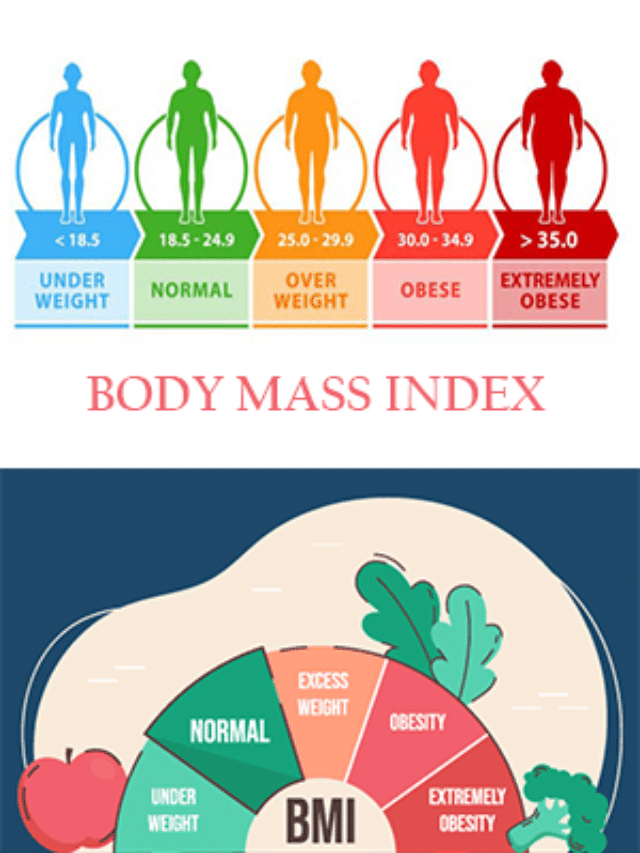
Calculate your Body Mass Index (BMI) by dividing your weight in kilograms by the square of your height in meters. This helps assess your overall health status.
What is Body Mass Index?
Body Mass Index (BMI) is a measurement that evaluates an individual’s body fat based on their weight and height. It is commonly used to assess whether a person is underweight, normal weight, overweight, or obese.
How can I tell if I'm overweight?
You can determine if you’re overweight by calculating your Body Mass Index (BMI), which considers your weight in relation to your height. Additionally, consulting a healthcare provider can provide guidance.
How Ideal Weight According to Height and Weight Is Calculated
Ideal weight according to height and weight is calculated using various methods such as BMI (Body Mass Index), height-weight charts, and body composition analysis. These tools help determine a healthy weight range based on individual factors.
- For women: ideal body weight (in kilograms) = 49 kg + 1.7 kg for each inch over 5 feet
- For men: ideal body weight (in kilograms) = 52 kg + 1.9 kg for each inch over 5 feet
BMI Calculator For Child and Adults
You can calculate your BMI using this calculator. Also, given a table for height in CM to feet.
| Feet | Centimeters |
|---|---|
| 1 | 30.48 |
| 2 | 60.96 |
| 3 | 91.44 |
| 4 | 121.92 |
| 5 | 152.40 |
| 6 | 182.88 |
| 7 | 213.36 |
Height and Weight chart For Ideal Weight According to Height and Weight
- Use a height and weight chart to determine your optimal weight range. This chart correlates your height and weight, helping you identify whether you fall into the healthy weight category.
- Here’s an approximate height-to-weight ratio chart for both men and women:
| Height | Female Weight Range | Male Weight Range |
|---|---|---|
| 4’ 6" (137 cm) | 63-77 lb (28.5-34.9 kg) | 63-77 lb (28.5-34.9 kg) |
| 4’ 7" (140 cm) | 68-83 lb (30.8-37.6 kg) | 68-84 lb (30.8-38.1 kg) |
| 4’ 8" (142 cm) | 72-88 lb (32.6-39.9 kg) | 74-90 lb (33.5-40.8 kg) |
| 4’ 9" (145 cm) | 77-94 lb (34.9-42.6 kg) | 79-97 lb (35.8-43.9 kg) |
| 4’ 10" (147 cm) | 81-99 lb (36.4-44.9 kg) | 85-103 lb (38.5-46.7 kg) |
| 4’ 11" (150 cm) | 86-105 lb (39-47.6 kg) | 90-110 lb (40.8-49.9 kg) |
Remember that ideal weight according to height and weight chart approximate values, and individual variations exist.
What is the recommended weight for my height?
The recommended weight for your height can vary depending on factors like age, gender, and body composition. Utilizing tools such as BMI calculators or consulting a healthcare provider can provide personalized recommendations.
BMI Based on Age
BMI, or Body Mass Index, is a measure of body fat based on weight and height. While it’s commonly used for adults, BMI charts adjusted for age are available for children and adolescents. These charts compare BMI to age-specific percentiles to assess growth and development more accurately.
What is the problem with BMI?
The BMI disregards factors like muscle mass and bone density, potentially misclassifying individuals. Additionally, it may not accurately assess health risks or overall well-being
Impact of Being Overweight
Being overweight can lead to various health issues, including increased risk of chronic conditions such as heart disease, type 2 diabetes, high blood pressure, and certain cancers, impacting overall quality of life.
Waist-to-hip-ratio (WHR)
Waist-to-hip ratio (WHR) is a measurement comparing the circumference of the waist to that of the hips. It’s used to assess distribution of body fat and associated health risks.
Waist-to-height-ratio
Waist-to-height ratio (WHtR) is a measure comparing the circumference of the waist to the height of an individual. It’s used to assess abdominal obesity and associated health risks.
Body fat percentage
Body fat percentage is the proportion of fat mass to total body weight. It’s a crucial indicator of overall health and fitness levels.
Body shape and waist
Body shape is influenced by the distribution of fat, particularly around the waist. Central adiposity, indicated by a larger waist circumference, is associated with increased health risks such as cardiovascular disease.
Conclusion
In conclusion, while height and weight charts provide a basic guideline for ideal weight according to height and weight, they don’t consider crucial factors like age and body composition. For a comprehensive assessment, considering these factors is essential. Seeking guidance from a fitness coach or diet expert can help tailor a personalized plan for optimal health and well-being.
FAQ
How much should you weigh for your age?
- The appropriate weight for an individual can vary widely based on factors such as age, gender, height, and body composition. It’s best to consult a healthcare professional to determine a suitable weight range tailored to your specific circumstances and health goals.
What is a good weight for a 5′ 4″ female?
- For a 5’4″ female, a healthy weight range can vary based on factors like age, body composition, and overall health. Generally, a weight between 110 and 140 pounds may be considered within a healthy range.
How can I increase my height?
- Increasing height is primarily determined by genetics and growth factors, but some strategies may promote optimal growth during adolescence. Ensuring adequate nutrition, including calcium, protein, vitamins, and minerals; getting regular exercise; maintaining good posture; and getting enough sleep can support healthy growth
How many kg should a 5 foot height weigh?
- The ideal weight for a person who is 5 feet tall can vary depending on factors such as age, gender, body composition, and overall health. As a general guideline, a weight range between 45 to 60 kilograms may be considered healthy for someone of this height
How do I calculate if I am overweight?
- All you need to do is refer to our weight chart and determine your weight as per your height. So, if your BMI is 25 to 25.9 above the desired range, you will fall in the overweight category
How much should a 13 year old weigh?
- The appropriate weight for a 13-year-old can vary widely depending on factors such as gender, height, body composition, and overall health. As a general guideline, the Centers for Disease Control and Prevention (CDC) suggest that the healthy weight range for a 13-year-old is between approximately 77 to 135 pounds (35 to 61 kilograms).
How important are height and weight charts?
- Height and weight charts serve as useful tools for providing general guidelines on healthy weight ranges based on a person’s height. They can help individuals and healthcare professionals assess whether someone’s weight falls within a healthy range relative to their height
What is my ideal weight for my height?
- Weight depends on multiple factors like age, gender, body frame, and height. So if you are supposed to be a 5’3 female, your ideal weight should be between 47.2/57.6 kg. As per a 5’3 male, your ideal weight should be 50.8/61.6 kg. So, to know your accurate weight, check our weight chart.
In a Rush? Dive into Our Bite-Sized Web Stories!
If time is tight, explore our web stories—they’ll help you achieve your goals faster.