
Pro Tip
Ensure a balanced diet with plenty of fiber, fruits, and vegetables for optimal digestion. Stay hydrated throughout the day to aid in the smooth passage of food. Practice mindful eating, chewing slowly, and avoiding overeating to prevent digestive discomfort. Incorporate probiotic-rich foods like yogurt for gut health maintenance.
The digestive system is a network of organs that help you digest and absorb nutrition from your food.
Understanding how the digestive system works can help us make better dietary choices and appreciate the importance of maintaining digestive health. By eating a balanced diet, staying hydrated, and engaging in regular physical activity, we can support our digestive system and enhance its function.
Introduction
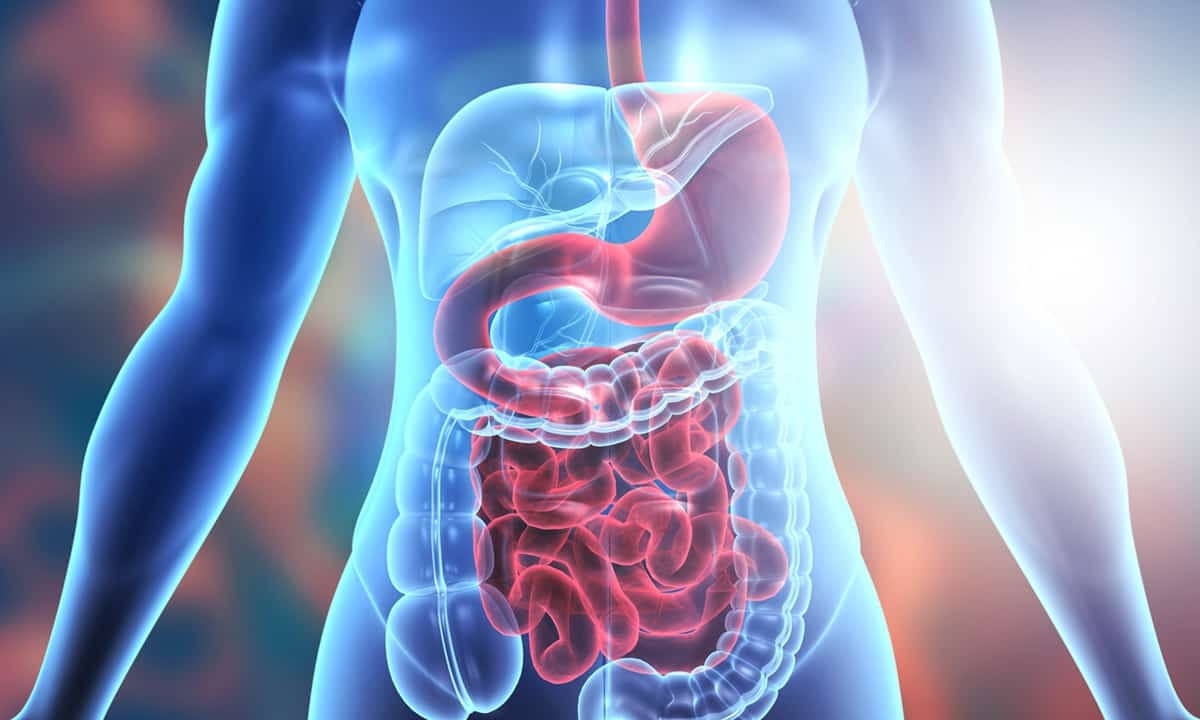
When you chew and swallow, a well-orchestrated chain of events takes place inside your body that you are not aware of. Peristalsis is an involuntary muscular action that pushes food through your digestive system. It’s an important part of the digestive process. If you were to watch this process on an X-ray, it would almost look like an ocean wave pushing food from one organ to the next. In the first step of this journey, food moves down your food pipe (esophagus). This takes it from your throat to your stomach.
How does Digestive System work?
The digestive system is a wonderful machine that works all day long, processing the food you eat. Digestion starts before you even put the food in your mouth. Just the smell of what is cooking is enough to make you salivate.
When you take a bite, your salivary glands start producing saliva, a substance that will help break down the food. After chewing, the peristalsis movement starts in your esophagus, propelling the food into the stomach.
The food is then broken down into smaller pieces by the stomach muscles. Acids and enzymes are produced and are mixed with the food to form a paste called chyme. Muscle contractions will then slowly propel small amounts of chyme through a valve called the pylorus into the first part of the intestine, the duodenum.
What liquid foods and beverages should I consume while avoiding solid foods?
How exciting! I love fasting! It’s such a great gift to give your body. Your digestive system has been working 24/7 since you were born, so allowing it some time off will definitely bring you more energy and clarity 🙂
A raw juice fast is my fast of choice, depending on how long you are fasting for, as they give you plenty of nutrients to retain your health and may even heighten your spiritual awareness, as they are considered “live” foods.
You can also include some fresh fruit smoothies if you need a more substantial meal.
What is the digestive system?
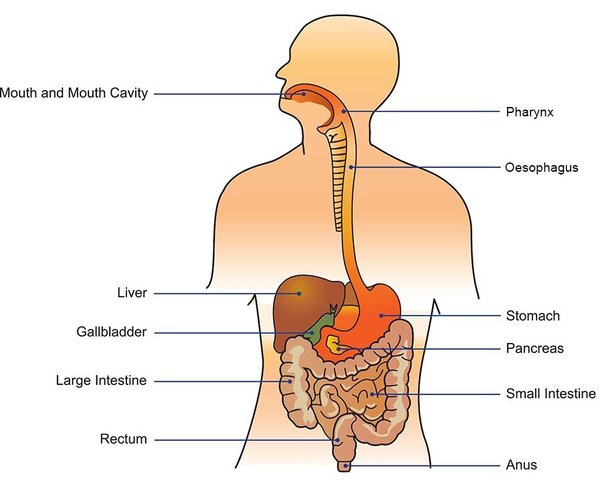
Your digestive system is made up of the gastrointestinal (GI) tract and your liver, pancreas, and gallbladder. The GI tract is a series of hollow organs that are connected to each other from your mouth to your anus. The organs that make up your GI tract, in the order that they are connected, include your mouth, esophagus, stomach, small intestine, large intestine, and anus.
What does the digestive system do?
Your digestive system is uniquely constructed to do its job of turning your food into the nutrients and energy you need to survive. And when it’s done with that, it handily packages your solid waste, or stool, for disposal when you have a bowel movement.
What are the organs that make up the digestive system? How do they work?
The main organs that constitute the digestive system (in order of their function) are the mouth, esophagus, stomach, small intestine, large intestine, rectum, and anus. Helping them along the way are the pancreas, gallbladder, and liver. Here’s how these organs work together in your digestive system.
- Ingestion of food.
- Secretion of fluids and digestive enzymes.
- Mixing and movement of food and wastes through the body.
- Digestion of food into smaller pieces.
- Absorption of nutrients.
- Excretion of wastes.
How can I keep my digestive system healthy?
If you have a medical condition, always ask your healthcare provider what you should do and eat to stay healthy and manage your condition. In general, the following are ways to keep your digestive system healthy:
- Drink water often: Water helps the food you eat flow more easily through your digestive system. Low amounts of water in your body (dehydration) is a common cause of constipation.
- Include fiber in your diet: Fiber is beneficial to digestion and helps your body have regular bowel movements. Be sure to incorporate both soluble and insoluble fiber into your diet.
- Eat a balanced diet: Be sure to eat several servings of fruit and vegetables every day. Choose whole grains over processed grains and try to avoid processed foods in general. Limit the amount of sugar you consume.
- Eat mindfully and chew your food: Eating slowly gives your body time to digest your food properly. It also allows your body to send you cues that it is full. It is important to chew your food thoroughly because it helps to ensure your body has enough saliva (spit) for digestion. Chewing your food fully also makes it easier for your digestive system to absorb the nutrients in the food.
- Exercise: Physical activity and gravity help move food through your digestive system. Taking a walk, for example, after you eat a meal can help your body digest the food more easily.
- Manage your stress: Stress is associated with digestive issues such as constipation, diarrhea, and IBS.
When you should eat food and when you shouldn't for digestive system
It’s generally recommended to eat your meals at regular intervals throughout the day and to avoid eating too close to bedtime. Here are some guidelines:
When to Eat:
- Breakfast: within an hour of waking up to kickstart your metabolism.
- Lunch: about 4 to 5 hours after breakfast.
- Dinner: at least 3 to 4 hours before bedtime to allow for digestion before sleep.
When Not to Eat:
- Before Bed: Eating right before bed can lead to indigestion and disrupt sleep.
- When Not Hungry: Listen to your body’s hunger cues and avoid eating out of boredom or stress.
- During Digestive Discomfort: If you’re experiencing bloating, gas, or other digestive issues, it may be best to wait until these symptoms subside before eating.
Conclusion
The digestive system is a remarkable and complex network that plays a vital role in our overall health and well-being. It efficiently processes the food we consume, extracting essential nutrients and energy while discarding waste. From the initial mechanical and chemical breakdown of food in the mouth to the intricate absorption processes in the intestines, each component of the digestive system works in harmony to support our body’s needs.
FAQ
How does the digestive system work when it is empty?
- It works according to the habit.
- For example, if people are always eating at 7am, 12pm, and 5pm, their digestive system is always ready to work during those time periods and also stops in between to avoid damage in the stomach caused by the acid.
Why is digestion important?
- Digestion is crucial because it allows your body to get the nutrients and energy it needs from the food you eat. Without proper digestion, your body wouldn’t be able to absorb these vital substances.
How does the digestive process begin?
- The digestive process starts in the mouth, where chewing and saliva begin to break down food into smaller pieces that can be more easily digested.
What role does the stomach play in digestion?
- The stomach further breaks down food using stomach acids and enzymes, turning it into a liquid or paste before it moves into the small intestine.
In a Rush? Dive into Our Bite-Sized Web Stories!
If time is tight, explore our web stories—they’ll help you achieve your goals faster.