
Pro Tip
For Ruby developers looking to enhance their skills, mastering object-oriented programming principles, exploring metaprogramming techniques judiciously, and adopting test-driven development methodologies are paramount. Leveraging the extensive RubyGems ecosystem, optimizing performance, and staying updated with the latest trends and best practices ensure continuous growth and relevance. Contributing to open-source projects, documenting code effectively, and adhering to established coding conventions foster collaboration and maintainability.
- Ruby developers should possess a combination of technical skills, knowledge of best practices, and a commitment to staying updated with the latest trends in the Ruby ecosystem and software development in general.

Table of Contents
Here's a comprehensive list of what Ruby developers should know:
- In the dynamic world of Ruby development, mastering a wide range of skills and concepts is essential for success.
- From fundamental programming principles to advanced techniques, Ruby developers must possess a comprehensive understanding of various aspects of the language and its ecosystem.
- This comprehensive list serves as a roadmap for aspiring and experienced Ruby developers alike, covering everything from object-oriented programming and web development to database management, performance optimization, and community engagement.
- By equipping themselves with these essential skills and knowledge, Ruby developers can build robust applications, contribute meaningfully to the Ruby community, and stay at the forefront of this vibrant programming language.
Ruby Programming Language:
- Ruby’s features include dynamic typing, garbage collection, metaprogramming, and a rich standard library.
- It powers web development through Ruby on Rails, a popular framework.
- Whether you’re a beginner or an experienced developer, Ruby’s flexibility and community support make it a delightful language for coding adventures!
- Proficiency in Ruby syntax, conventions, and best practices.
- Understanding of object-oriented programming (OOP) principles in Ruby.
- Knowledge of Ruby’s core classes and standard libraries.
- Ruby on Rails, also known as Rails, is a server-side web application development framework written in the Ruby programming language.
- It was developed by David Heinemeier Hansson under the MIT License.
Ruby on Rails Framework:
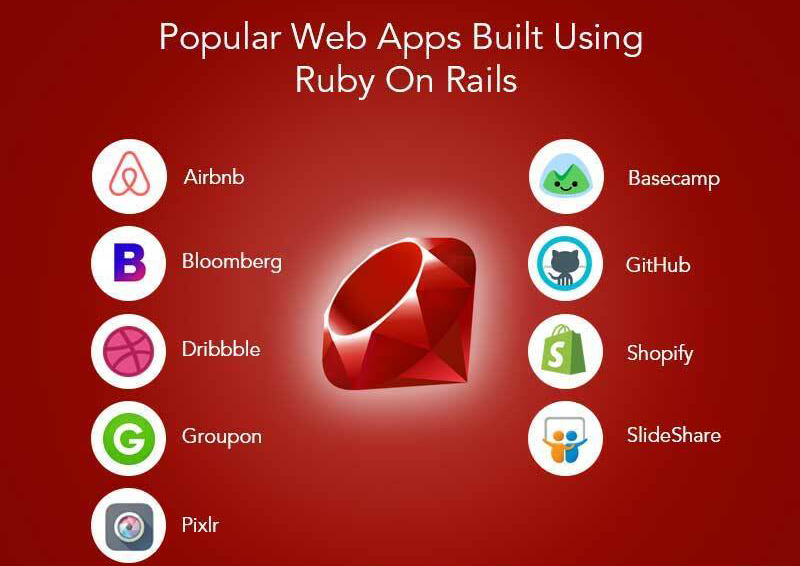
- Ruby on Rails, often referred to simply as Rails, is a popular open-source web application framework written in Ruby.
- It follows the Model-View-Controller (MVC) architectural pattern, which emphasizes separation of concerns and promotes code organization and maintainability.
- Rails provides developers with a streamlined and opinionated framework, offering built-in tools and conventions to accelerate the development process.
- It prioritizes convention over configuration, reducing the need for repetitive coding tasks and allowing developers to focus on application logic.
- With features like scaffolding, ActiveRecord ORM, and powerful routing, Rails enables rapid development of robust and scalable web applications.
Web Development Skills:
- Web development skills encompass a wide range of abilities required to create and maintain websites and web applications.
- HTML, CSS, and JavaScript: Proficiency in front-end technologies to build interactive and responsive web applications.
- Knowledge of front-end frameworks such as React, Angular, or Vue.js can be beneficial.
Database Management:
A DBMS acts as a bridge between users and databases, providing an organized and efficient way to handle data. Here are some additional insights:
- Data Independence: DBMS offers logical and physical data independence. Logical independence allows changes in the database schema without affecting applications. Physical independence ensures that modifications to storage structures don’t impact user queries.
- Concurrency Control: In multi-user environments, DBMS manages concurrent access to data. It prevents conflicts and ensures data consistency.
- Transaction Management: DBMS supports transactions (groups of operations) that are either fully executed or fully rolled back. This ensures data integrity.
- Query Optimization: When users submit queries, DBMS optimizes execution plans to minimize resource usage and response time.
- Backup and Recovery: DBMS provides mechanisms for regular backups and disaster recovery. It safeguards against data loss.
- Data Models: DBMS supports various data models, such as relational, object-oriented, and document-based. Each model caters to specific requirements.
Remember, DBMS is the backbone of modern applications, handling data efficiently and securely. Its impact extends beyond databases, influencing software development, analytics, and decision-making.
Version Control:
- Version Control System (VCS): A VCS is a category of software tools that tracks and manages changes made to files by recording modifications in the code.
- It ensures efficient collaboration among developers, even when they are geographically dispersed.
Testing
- Testing is a critical aspect of web development for Ruby developers, ensuring the reliability, functionality, and performance of their applications.
- Mastery of testing frameworks like RSpec and MiniTest allows developers to write comprehensive unit tests, integration tests, and acceptance tests to validate the behavior of their code.
- Understanding different testing methodologies such as Test-Driven Development (TDD) and Behavior-Driven Development (BDD) enables developers to write tests before implementing functionality and ensure alignment with business requirements.
RESTful APIs:
- RESTful APIs are a cornerstone of modern web development, allowing Ruby developers to create flexible and scalable interfaces for interacting with their applications.
Deployment and Server Management:
- Deployment and server management are critical for Ruby developers to ensure the smooth operation of their web applications.
- Beyond basic deployment knowledge, mastering containerization with tools like Docker allows for streamlined deployment processes and improved scalability.
- Experience with deployment tools and server management.
- Familiarity with cloud platforms like AWS, Heroku, or DigitalOcean.
Command Line Proficiency:
- Comfortable working in a Unix-based environment and utilizing the command line for various tasks.
- Command line proficiency is crucial for Ruby developers, as it enables efficient navigation and execution of tasks within a Unix-based environment.
Code Quality and Performance Optimization:
- Code quality and performance optimization are paramount for Ruby developers to ensure their applications are robust, efficient, and scalable.
- This involves adhering to best practices in coding standards, such as writing clean, maintainable code, following the principles of SOLID design, and utilizing design patterns effectively.
Security Awareness:
- Understanding of web security principles and common vulnerabilities.
- Implementation of secure coding practices.
Collaboration and Communication:
- Effective communication skills for collaboration within development teams.
- Familiarity with collaborative tools like Git, issue tracking systems, and continuous integration.
Agile Development:

- Agile development is an approach that emphasizes flexibility, collaboration, and iterative progress.
- As a Ruby on Rails developer, adopting agile practices can enhance your productivity and the quality of your work.
Here are some key aspects of agile development relevant to Ruby developers: - Knowledge of Agile methodologies and the ability to work in an Agile/Scrum environment.
Continuous Learning:
- Commitment to staying updated with the latest Ruby and Rails releases.
- Willingness to explore new technologies and tools in the software development landscape.
Conclusion
In conclusion, “14 Things Every Ruby Developer Should Know” serves as a comprehensive roadmap for both aspiring and seasoned Ruby developers to navigate the complexities of the language and excel in their craft.
From mastering object-oriented programming principles to understanding advanced concepts like metaprogramming and performance optimization, this guide covers essential topics that form the backbone of proficient Ruby development.
FAQ
What are the "14 Things" referred to in this context, and why are they important for Ruby developers to know?
- The “14 Things” refer to a comprehensive set of essential concepts, techniques, and best practices that Ruby developers should master to excel in their craft. These include fundamental programming principles, advanced language features, tools, and methodologies crucial for building robust and efficient Ruby applications.
How can I prioritize learning these "14 Things" as a beginner Ruby developer, and where should I start?
- As a beginner, it’s advisable to start with foundational concepts such as object-oriented programming, data structures, and basic Ruby syntax. From there, gradually progress to more advanced topics like metaprogramming, testing, and web development with Ruby on Rails.
Are these "14 Things" applicable only to Ruby developers, or are they relevant to developers using other programming languages as well?
- While the “14 Things” are specifically tailored for Ruby developers, many concepts and principles covered are applicable to developers using other programming languages. For example, understanding OOP principles or testing methodologies transcends language boundaries and is beneficial for developers across various domains.
Are there any recommended resources, such as books, online courses, or tutorials, that can help me learn more about each of the "14 Things"?
- Yes, there are numerous resources available, including books like “The Well-Grounded Rubyist” by David A. Black, online courses on platforms like Coursera and Udemy, tutorials on websites like RubyGuides and RubyLearning, and documentation provided by the official Ruby website and Ruby on Rails guides.
How frequently are these "14 Things" updated or revised to reflect changes in the Ruby ecosystem or best practices?
The “14 Things” are periodically reviewed and updated to reflect changes in the Ruby ecosystem, emerging best practices, and evolving industry trends. Developers are encouraged to stay updated with the latest developments and incorporate new knowledge into their skill set continuously.
In a Rush? Dive into Our Bite-Sized Web Stories!
If time is tight, explore our web stories—they’ll help you achieve your goals faster.